
To Pee or Not to Pee: Taking a Multi-Disciplinary Approach to Treating Urinary Incontinence
- mayujane
- Sep 12, 2023
- 7 min read
Affecting millions of people (including me!), urinary incontinence is common and while challenging to manage, the good news is that a multi-disciplinary approach, combining various therapies and self-help strategies, can significantly improve the quality of life for those of us dealing with this vexing issue. In this blog, we'll explore how a multi-therapy perspective can be used to address urinary incontinence, providing both self-help tips and longer-term treatment options.
Understanding The Urge!:

Lack of control of your bladder can be extremely stressful, when just the thought of a toilet just out of range sends your heart beating and sweat beading your brow, urinary incontinence can really put a damper on our lives. Various factors, including weakened pelvic floor muscles, diet, hormonal changes, neurological disorders, obesity, complications from surgery or stroke, chronic diseases such as diabetes/MS, & urinary tract infections can lead to this issue. Effective treatment requires addressing the underlying causes while also implementing strategies to manage symptoms.
There are three types of incontinence: Stress, Urge & Mixed. Stress incontinence is brought on when there is sudden pressure on the bladder from a laugh, sneeze or cough and Urge incontinence is when you have a sudden intense urge activated by the bladder muscles. Mixed is a combination of the two.
Know Before You Go:
Before going in any direction, it’s best to be armed with the facts. Keeping a journal noting your dietary consumption and habits, liquid consumption and tracking your bathroom trips are all important to understanding your habits and identifying personal triggers. Maybe it’s the sound of the water fountain burbling that triggers that mad dash to the potty or perhaps the 5 cups of coffee before 10am that sends you on a constant round trip between toilet and desk. You might notice your bladder is aggravated by your lingering cough, spicy foods, or new medication. Either way, understanding the nature of the beast is always the first step to taming it.
The Multi-Therapy Approach:
Medical approach – talk to your doctor to discuss potential pharmaceutical or surgical interventions. Bring your notes with you so you can discuss what, why and how. Treatments such as: hormonal therapy, electric nerve stimulation, inserts, botox, surgical intervention, are some of the options out there.
Physical Therapy – addressing the pelvic floor muscles using Kegel exercises will improve muscle tone and control in the pelvic area. These can be practiced discreetly throughout the day and much relief can be provided by better muscular control. There are many excellent video aids and professionals that can support your learning. I think of a squid moving through the water to aid in Kegel exercises.
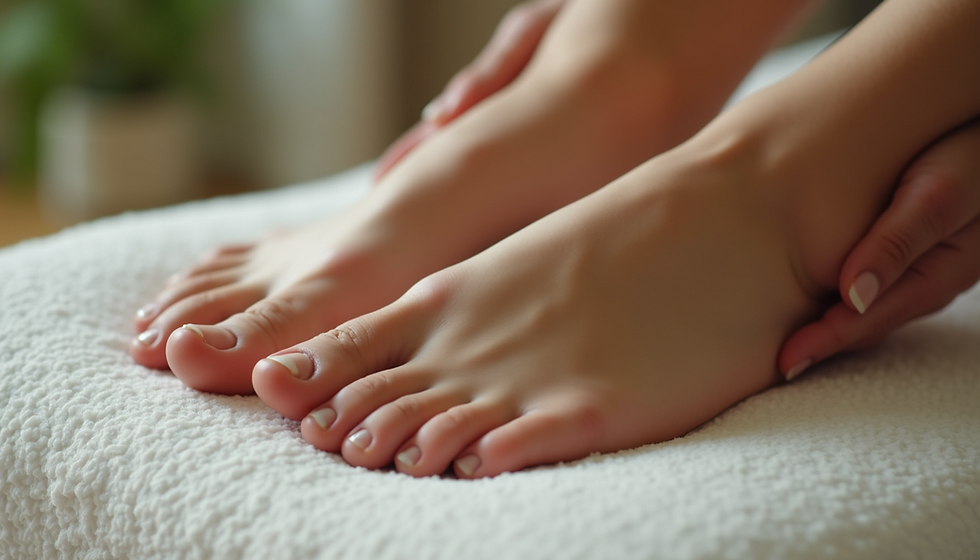
Foot Reflexology – we treat the urinary system by working the kidney reflex down through the ureters, bladder then urethra. Working the reflexes gently stimulates the corresponding body parts/organs. In this case addressing kidneys and ureter function, improving bladder tone and the two sphincters that constrict flow of urine through the urethra - learn more here. Stimulating the whole pelvic region supports tone in the pelvic floor as well.

Dien Chan multi-reflexology – the approach is similar, stimulating the reflexes in the face is part of the treatment protocol in the diagram to the left. With the kidneys shown in blue above the corners of the mouth leading down to the bladder on the chin. There are multiple opportunities and diagrams to aid in bladder control through this practice. Additionally, we stimulate the nervous system through facial nerves leading back to pelvic floor/bladder and urethra. Some practitioners may also work directly on the bladder region to improve tone as well.

Acupuncture/acupressure - points related to the kidneys, bladder, and pelvic floor can be targeted to promote better energy flow and balance through the removal of organ system stagnation or excess. In TCM, herbs like diuretic dandelion and tonifying ginseng may be used.
In Ayurveda – herbs like shatavari and gokshura can help balance the doshas and improve urinary function.
Yoga and Qi Gong – These ancient practices incorporate movement, breath, and meditation to enhance energy flow and restore balance. Yoga poses targeting the pelvic region, such as "Bridge Pose" and "Cobra Pose," can strengthen pelvic muscles and support bladder control. Qi Gong exercises can also improve overall energy flow.
Biofeedback – Biofeedback therapy uses sensors to monitor muscle activity, helping you gain better control over your pelvic floor muscles. This technique can be especially useful for individuals struggling with muscle coordination.
Therapeutic massage – working locally on the bladder improves the tone of the bladder and of the urethral sphincter function (two muscles used to control the exit of urine in the urinary bladder through the urethra). Massage eliminates or significantly reduces the symptoms of stress urinary incontinence.
Counseling – CBT cognitive behavioural therapy can help you retrain your mind-body connection.
Naturopathic Doctor – urinalysis, cultures and testing are all available through these health professionals and they can assist through behavioural and lifestyle changes.
Consistency – Regular sessions of acupuncture, acupressure, or reflexology may be necessary for optimal results. Consistency is key to achieving lasting benefits.
Self Help Tips and Tricks:
Bladder diary – as noted above, keeping track of your fluid intake, bathroom trips, and incidents of incontinence can help identify patterns and triggers.
Don’t ignore the urge! – go at the first inkling, I used to play the Russian Roulette game of “How long can I hold it?”. Ahhh youth….
Delayed urination – ok, I know I’m directly contradicting myself here, but life is full of paradoxes and part of learning to train your bladder is by holding it. I guess it’s finding that balance between ignoring your needs and being present to them. When you have the urge, holding it for a few minutes and then extending that time may help you hold it when you really must go.
Scheduling – peeing on a schedule reduces pressure on the bladder.
Mindfulness and Meditation – since stress can often be the trigger for many getting at where stress lives helps us maintain our cool when that urge comes a-knocking. Also, drinking mindfully is important. Drinking water a litre at a time is like hitting a desert with a deluge of rain where the ground is dry and absorption poor. Slow and deliberate sips throughout the day is more enjoyable and maintains a slow drizzle – think Pacific Northwest Forest vs Grand Canyon. Also, stop drinking a few hours before bed to stave off nighttime trips.
Visualization – when the urge comes on, I will often practice visualization where I see myself walking to the throne at a leisurely pace and in complete control. Honestly, when I started it only worked about 50% of the time but the more I practice the more often it works. I also sometimes imagine I’ve got hold of the end of a hose and keep my fist clamped shut on it. That works sometimes too.
Diet – Spicy and acidic foods, caffeine, excessive amounts of liquid can trigger urges. The big one for me is alcohol, it’s the double whammy of relaxing pelvic muscles and added liquid which contributes to the perfect storm. When I know I’m going to have a few I always plan to sit within arms reach of the bathroom. And it there aren’t any potty’s available abstinence is often the best option.
Dress for success – wearing loose clothing reduces constriction and anything that improves ease of access is your friend.
Don’t pee in the shower! – my girlfriend gave me this winning tip from her physiotherapist. Peeing while standing up entrains our body that it’s ok to do so. Only peeing when sitting sends the message that it’s the only time to do so. Probably not great for when you’re sitting in your office chair, but I see what’s she’s saying!
Lifestyle changes – Maintaining a healthy weight (that’s a story for another blog!), avoiding constipation, and staying hydrated can contribute to better bladder health. Obesity and constipation can put additional pressure on the bladder, leading to leaks.
Absorbency products – there are lots of aids out there, but I’ve found that in a pinch Bounty’s Quicker Picker Upper is a lifesaver (but not for your plumbing – think compost or garbage after).
Acupressure points – this one is a gem; a friend saw this handy tip – press on UB 57 (Bladder 57 point located at the pointed depression below the gastrocnemius when the leg is stretched, or heel is lifted). It’s a bladder point on the bladder meridian and may help quell the urge. Just find the spot with your fingers (should be tender when you apply pressure) and press and hold for a minute or two. I like UB1 as it’s a little easier to access and it’s worked quite well for me. Located at the point of the inner eye, you can pinch both inner eyes and it looks like you’re just giving your eyeballs a much-needed rest. Noone will know you’re retraining your bladder!
The countdown – mental gymnastics of counting backwards from 100 by 7 (ie. 93, 86, 79…) is a great way to distract the mind until, of course, you’ve memorized them. Switching up the mental distraction is probably useful.
Sharing is caring – let the people you know and trust about your struggles, sometimes just sharing can take the pressure off. My husband is a true supporter and always factors in rest stop distances to ensure “my tank” is taken care of. Love lies in the littlest of things, doesn’t it?
Direct pressure on the pelvic floor – part of my Kegel practice I think of bearing down in front to strengthen the pelvis and clamp down.
Conclusion:
Urinary incontinence doesn't have to control your life. There are a lot of options, it’s just a matter of finding the ones that work for you. Remember, every individual's journey is unique, so working closely with a team of healthcare professionals will help you design a treatment plan tailored to your needs, ensuring the best possible outcomes in the long run.


Comments